


Noticing a toenail that begins to curve, thicken, or grow unevenly can be concerning, especially when the change develops gradually. While curved toenails are relatively common, they can sometimes indicate underlying pressure, nail changes, or medical conditions that require attention.
In many cases, these changes are manageable with proper care. However, when left unaddressed, a crooked toenail can lead to discomfort, pressure against the skin, or an increased risk of ingrown nails and infection, particularly for individuals with diabetes or circulation issues. Understanding the causes and knowing when to seek care can help prevent complications and support long-term foot health.
What Are Curved Toenails?
Curved toenails are nails that grow inward, downward, or unevenly, rather than maintaining a flat, straight shape. This change can affect one or multiple toenails and may develop slowly over months or years.
A curved or crooked toenail may appear:
- Thickened or more rigid than usual
- Tilted to one side or growing unevenly
- Curving downward toward the toe
- Pressing into the surrounding skin
While mild curvature may be cosmetic, more advanced changes can lead to pressure, irritation, or pain, especially when combined with tight footwear or reduced mobility.
Why Do Toenails Grow Crooked?
The answer often involves a combination of mechanical pressure, nail structure, and overall foot health.
Repeated Pressure from Footwear
One of the most common causes of curved toenails is chronic pressure from tight or improperly fitted shoes. Narrow toe boxes can compress the toes, gradually altering nail growth direction.
Over time, this pressure can cause the nail to:
- Curve inward or downward
- Thicken as a protective response
- Become more difficult to trim safely
Improper Nail Trimming
Cutting nails too short or rounding the edges can influence how the nail grows. This is a frequent contributor to a crooked toenail, particularly when the edges begin to grow into the surrounding skin.
Proper trimming techniques are essential to maintaining natural nail growth and preventing complications.
Common Causes of Curved Toenails
Understanding the causes of curved toenails helps determine whether the condition is temporary or requires medical care.
Age-Related Nail Changes
As people age, toenails often become thicker, slower-growing, and more brittle. These natural changes can increase the likelihood of nails curving or becoming distorted.
In addition, reduced circulation (common in older adults) can affect nail health and structure over time.
Fungal Nail Infections
Fungal infections can significantly alter nail shape. Affected nails may become:
- Thickened and discolored
- Brittle or crumbly
- Distorted in growth pattern
These changes often contribute to nails that curl or grow unevenly if the infection is not treated early.
Repetitive Trauma or Injury
Repeated pressure, friction, or previous injury to the nail can damage the nail matrix, the area responsible for nail growth. Once this structure is affected, the nail may grow back in a crooked or curved pattern.
Genetics and Natural Nail Shape
Some individuals are naturally predisposed to curved nails due to genetics. The shape of the nail plate can influence how the nail grows throughout life.
What Causes Toenails to Curl More Severely?
In more advanced cases, toenails may curl significantly inward, sometimes forming what is known as a pincer nail.
This type of curvature can lead to:
- Increased pressure on the nail bed
- Pain when walking or wearing shoes
- A higher risk of ingrown toenails
Severe curling is often associated with long-term pressure, thickened nails, or underlying health conditions that affect circulation.
When Curved Toenails Require Medical Attention
While some cases can be managed at home, certain signs indicate that professional evaluation is necessary.
Seek medical care if:
- The nail becomes painful or inflamed
- The nail presses into the surrounding skin
- There is redness, swelling, or signs of infection
- The nail becomes too thick to trim safely
- Multiple nails are changing or worsening over time
- You have diabetes, poor circulation, or nerve damage in the feet, even if the nail change seems minor
For individuals with diabetes, even mild nail changes should not be ignored. Research shows that up to 50% of people with diabetes may develop peripheral neuropathy, reducing sensation in the feet. This means early warning signs may go unnoticed, increasing the risk of complications.
In these cases, prompt care is essential to prevent infections or ulcers from developing.
Managing and Preventing Curved Toenails
Although not all cases can be prevented, several strategies can help slow progression and improve comfort.
Wear Properly Fitted Shoes
Shoes with a wide toe box and adequate support reduce pressure on the nails and surrounding tissue. This is one of the most effective ways to prevent worsening curvature.
Trim Nails Safely
Toenails should be trimmed straight across, avoiding rounded edges. This helps guide the nail to grow in a natural direction and reduces the risk of ingrown nails.
Maintain Good Foot Hygiene
Keeping the feet clean and dry helps prevent infections that can alter nail structure. Regular hygiene is especially important for those prone to fungal infections.
Monitor Changes Closely
Pay attention to gradual changes in nail shape, thickness, or color. Early recognition allows for timely care and reduces the risk of complications.
When Professional Nail Care Is the Best Option
When nails become thickened, painful, or difficult to manage, professional care is often the safest approach.
Podiatrists can:
- Safely trim and manage curved or thickened nails
- Identify underlying causes such as fungal infections or circulation issues
- Relieve pressure and discomfort
- Prevent complications such as ingrown toenails or infections
If a curved nail begins to grow into the surrounding skin, it may require specialized treatment. In these cases, professional ingrown toenail removal can help relieve pain and prevent further complications, especially for patients with diabetes or limited mobility.
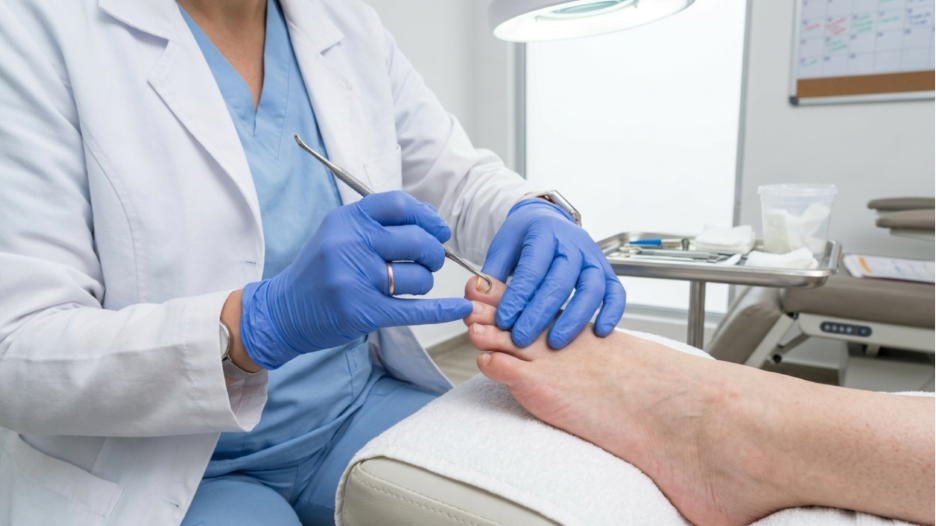
Compassionate Care for Curved Toenails
Curved toenails may seem like a minor issue at first, but over time, they can affect comfort, mobility, and overall foot health. Understanding what causes toenails to curl and addressing changes early can make a meaningful difference in preventing more serious concerns.
Allevio Care Anywhere provides compassionate, expert podiatry services designed to support patients in managing nail conditions safely and effectively. Our team focuses on prevention, early intervention, and personalized care, helping patients maintain healthy feet in the comfort of their own home.
If you or a loved one are noticing changes in toenail shape or experiencing discomfort, seeking professional evaluation can provide reassurance and guidance. You can request care through our contact page or explore all our service areas including Utah, Idaho, Houston, and Nebraska.
Early expert care can help prevent complications, improve comfort, and protect your long-term foot health.


